Money conversations after separation are rarely only about money. They are about housing stability, children’s activities, dignity after unpaid labour in the home, and fear of starting over. Victoria residents searching for a spousal or child support lawyer usually need two things at once: a clear explanation of how support is calculated in Canada and British Columbia, and a plan for disclosure, negotiation, variation, or enforcement. This page covers child support under the Federal Child Support Guidelines (including the 2025 table update), special or extraordinary expenses, shared parenting adjustments at a high level, spousal support entitlement and advisory ranges, and what to do when payments stop.
Nothing here is a personalized calculation. Small factual changes—overtime patterns, corporate income, new partners’ households, or parenting time shifts—can move numbers significantly. Use this as a briefing before a consultation, not as a substitute for one.
Child support Guidelines and the 2025 tables
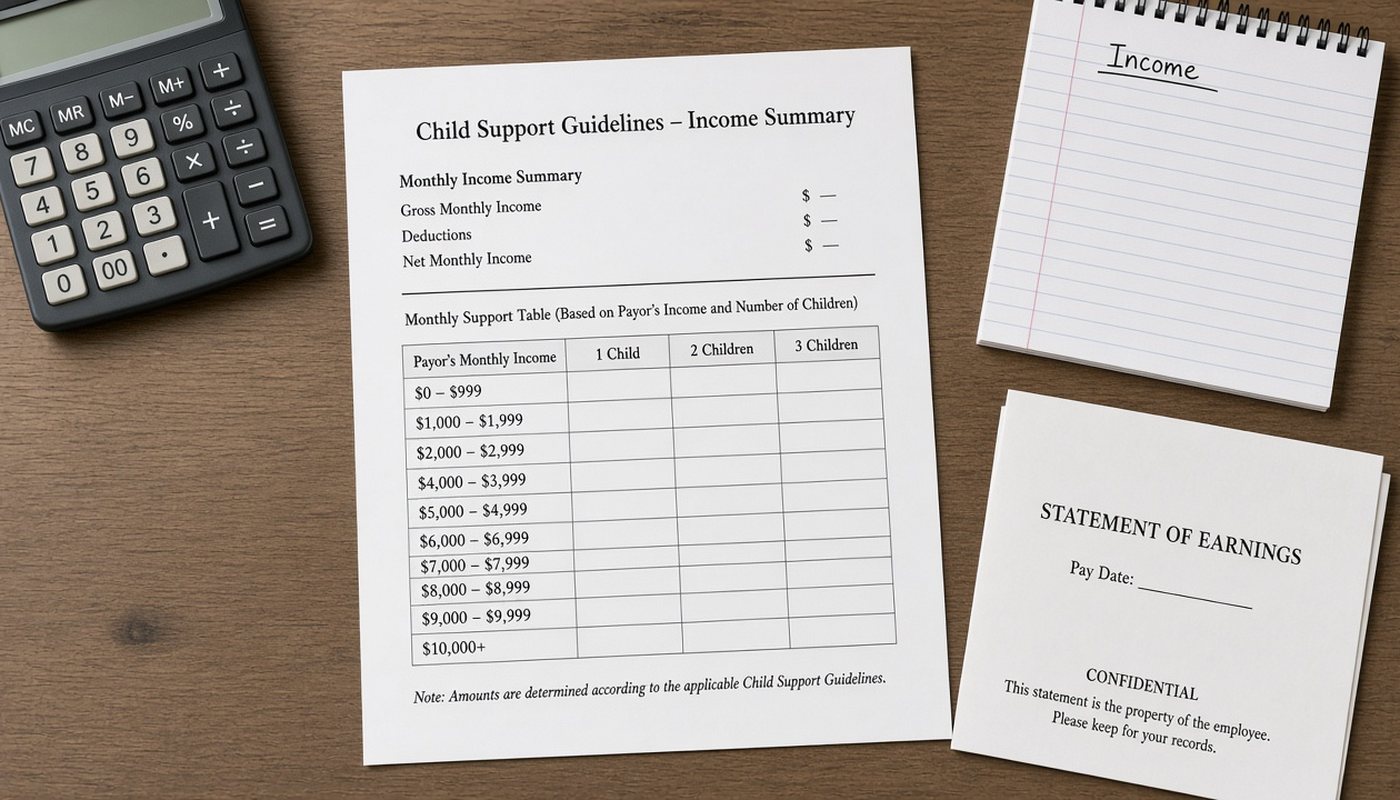
Child support in Canada is largely guided by the Federal Child Support Guidelines. Tables set basic monthly amounts based on the paying parent’s before-tax annual income, the number of children, and the province or territory where the payor lives. Updated Federal Child Support Tables came into effect on 1 October 2025. For periods after that date, the 2025 look-up tools and tables are the relevant reference; earlier periods may use prior tables. Official government look-up tools emphasize that the table amount is often a starting point, not always the final word.
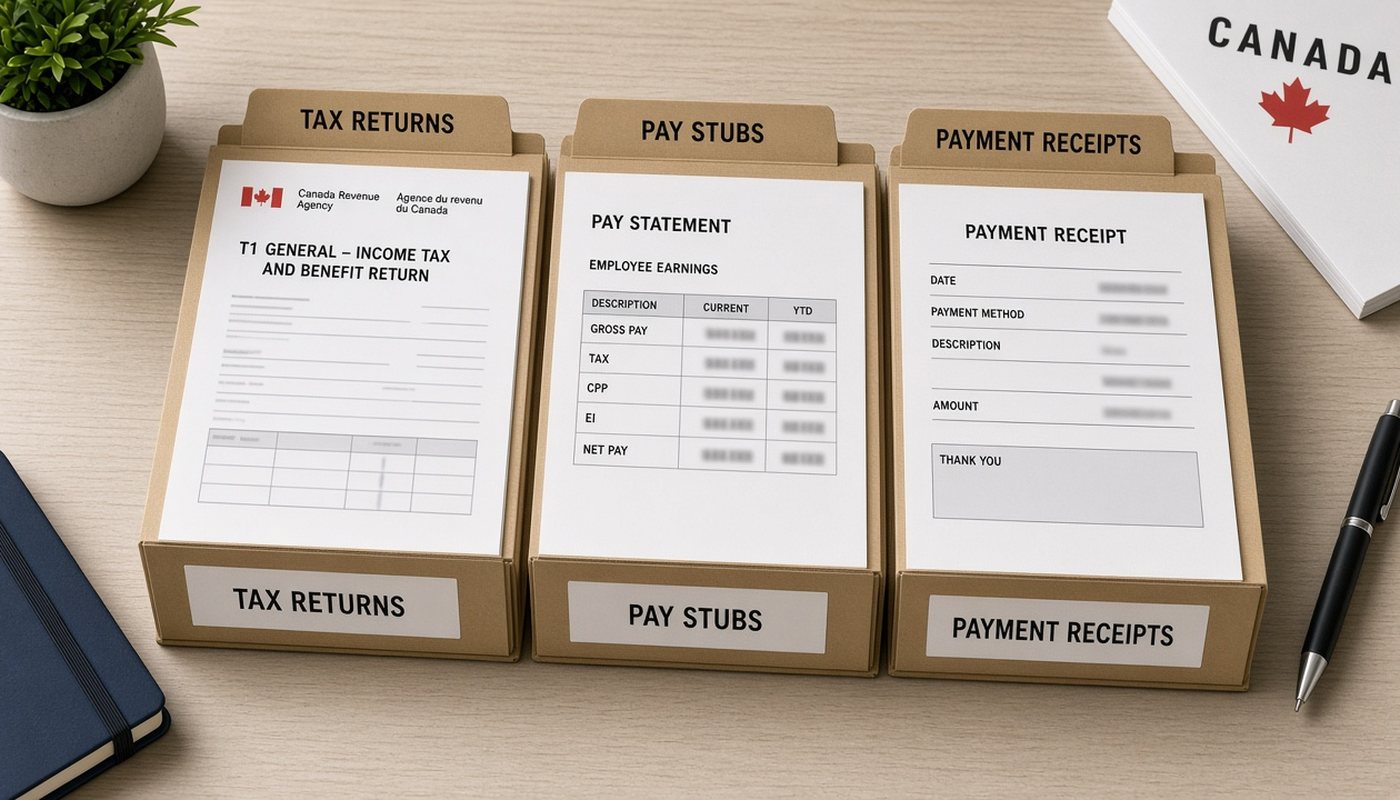
Parents sometimes understate income, ignore cash earnings, or assume that informal gifts replace table support. Courts can impute income when a parent is intentionally underemployed or when reported figures are not credible. Accurate income determination—employment, self-employment, benefits, and sometimes trust or corporate structures—is foundational. Bring tax returns and notices of assessment to any serious support discussion.
Which province’s table?
Generally you use the table for the province where the paying parent lives and works, even if the children live elsewhere. Cross-border Capital Regional District living arrangements with work in different communities still require a careful income and residence analysis.
Special or extraordinary expenses (section 7)
Beyond the basic table amount, parents may share special or extraordinary expenses—often called section 7 expenses—when they are necessary in the child’s best interests and reasonable given the parents’ means and the family’s pre-separation spending patterns. Common categories include childcare needed for work or education, portions of medical or dental insurance premiums for the child, health costs not covered by insurance above a threshold, post-secondary education, and extraordinary educational or extracurricular expenses that meet the guideline tests.
As a general rule, parents share net section 7 expenses in proportion to their incomes, though they can agree otherwise. Receipts, after-tax costs, and subsidies matter. Disputes erupt when one parent enrolls a child in an expensive activity without consultation. Parenting plans should say how activities are approved and paid.
Shared parenting and set-off concepts
Where parenting time is shared in a way that engages guideline shared-parenting rules, calculations can involve both parents’ incomes and a set-off approach, with further discretion for expenses and circumstances. These files are technical. Online calculators help for ballparks; they do not replace advice when incomes are complex or when one household carries disproportionate expenses.
Spousal support: entitlement, amount, and duration
Spousal support is not automatic. Entitlement may rest on compensatory factors (career sacrifice, childcare roles), non-compensatory need, or contractual terms. After entitlement is established, the Spousal Support Advisory Guidelines (SSAG) are widely used to estimate ranges for amount and duration, but they are advisory tools, not a statute that spits out a single mandatory number. Relationship length, ages, incomes, childcare responsibilities, and the goal of self-sufficiency all influence outcomes.
Married and many common-law spouses (typically after two years of marriage-like cohabitation in BC) may have spousal support issues under the Family Law Act framework. Timing of applications can matter. Do not assume a short conversation at the kitchen table ends support rights forever without a proper agreement.
Disclosure and lifestyle evidence
Support negotiations stall without disclosure. Bank statements, corporate financials, and evidence of lifestyle can become relevant when income is disputed. Transparency usually costs less than forensic fights—though some files genuinely require deeper investigation.

Variation when circumstances change
Support orders and agreements are not always frozen forever. Material changes—job loss, significant income increases, a child’s changing needs, or completion of a term of support—can justify variation. The correct response to a job loss is usually prompt disclosure and a formal variation process, not silent non-payment. Arrears can grow quickly and enforcement tools can follow.
If you receive support and the payor’s income has clearly risen, you may also need advice about whether a variation upward is realistic. Every case turns on proof and the wording of the existing order or agreement.
Enforcement options
When support is not paid as ordered or agreed, British Columbia’s Family Maintenance Enforcement Program (FMEP) is a commonly discussed enforcement pathway once there is an enforceable support obligation. Court applications may also be available. Strategy depends on whether you already have a filed order or agreement, where the payor works, and whether assets can be located. This page does not walk through every enforcement tactic; it flags that unpaid support is a legal problem with structured remedies, not merely a personal slight.
Support, parenting, and property interact
A parenting schedule can change child support math. Property division can change each spouse’s income and housing costs, which then affects spousal support analysis. Tax treatment of support can matter in structuring settlements. Read this page together with our parenting, property, and divorce pages. Mediation can be effective for support files when disclosure is complete; see family mediation.
Interim support while the file is open
Separation day does not wait for a final agreement. Rent, groceries, and children’s costs continue. Interim support arrangements—voluntary or court-ordered—can stabilize households while disclosure and negotiations proceed. Paying something reasonable under advice is often better than paying nothing and accruing both arrears and conflict. Recipients should document need and avoid informal cash arrangements with no records.
Self-employment, overtime, and irregular income
Capital Regional District households often include trades income, farm income, small corporations, tip-based work, or seasonal overtime. Guidelines have tools for these patterns, but they require careful annualizing and sometimes averaging. Corporate retained earnings and personal benefits can become contested. If this is your situation, organize accountant-ready packages early.
Comparing support proposals
When you receive a support proposal, check:
- What income figure was used?
- Which table year applies?
- Which children are included?
- Which section 7 expenses are listed, and at what net cost?
- Is spousal support included, and on what SSAG scenario?
- Is there a review date?
Vague proposals hide expensive surprises.
Undue hardship and special claims
Guidelines include limited undue hardship concepts that can adjust support in exceptional circumstances, such as unusually high debts from supporting the family or legal duties to support others. These claims are scrutinized and require evidence. They are not a routine discount for lifestyle preference. If you believe hardship applies—or the other parent is asserting it—get advice before accepting a reduced figure that becomes entrenched.
Step-parent support obligations can also arise in some situations. Blended families in Victoria should not assume that only biological parents ever pay. Facts about the parental role played with a child matter.
Adult children and post-secondary support
Child support does not always end the day a child turns nineteen. Dependent adult children, disability-related needs, and post-secondary education can extend or reshape support. Section 7 post-secondary expenses often require budgets, transcripts, and contribution expectations from the student. Parents should address these issues in agreements before a child starts college rather than fighting mid-semester when tuition invoices arrive.
Communication with young adults about money should be planned carefully so children are not used as messengers between households. Put contribution rules in writing.
Tax, benefits, and practical cash flow
Support interacts with taxes and government benefits in ways that change over time with legislation. Spousal support treatment can differ from child support. Eligible dependant claims, Canada Child Benefit impacts, and payroll deduction arrangements through enforcement programs may affect monthly cash flow. Accountants and lawyers often need to collaborate on larger files. Do not rely on a social media tax tip from another country.
When structuring settlements, sometimes a slightly different mix of property and support achieves similar net outcomes with less ongoing conflict. That kind of design requires numbers, not slogans.
Negotiation posture that reduces legal spend
Support fights become expensive when parties argue about every grocery receipt while avoiding the income figure that drives the table amount. Anchor first on income disclosure, then on table math, then on section 7 categories, then on spousal entitlement. Jumping straight to “I can only afford X” without documents invites distrust. Paying an interim amount under a clear without-prejudice framework can calm the household while final numbers are worked out.
If you receive a lowball proposal, respond with a spreadsheet of assumptions rather than only anger. If you receive an aggressive demand, ask which guideline scenario produced it. Clarity shortens files. Our mediation page explains when a neutral can help unlock stuck money talks.
Records you should keep from day one
Records to keep from day one:
- Proof of every payment sent or received (include the month covered)
- Childcare invoices, orthodontic estimates, and activity registrations
- Traceable payment methods—avoid undocumented cash
Good records shorten consultations, mediation, and court applications. Poor records turn a simple guideline file into an expensive reconstruction project.
Also keep a timeline of job changes, parental leaves, and medical events that affected income. Support stories are easier to tell—and to test—when dates are written down while they are fresh.
Victoria readers should also remember that online calculators and out-of-province blog posts can misstate British Columbia rules. When something important turns on a number or a deadline, confirm it against current BC sources or advice grounded in this province. A careful hour of verification is cheaper than a year of fixing a mistaken assumption. If you are ready to apply these ideas to your facts, use the consultation request form and list the documents you already have.
Spousal and Child Support FAQs
How is child support calculated in B.C.?
The starting point is usually the child support table for the paying parent’s province of residence, based on their guideline income and the number of children. Shared or split parenting arrangements can change the calculation. Eligible special or extraordinary expenses may also be added.
Do I still have to pay child support if we share parenting time 50/50?
You may still pay or receive support. When each parent has at least 40% of parenting time over the year, the guidelines consider both table amounts, the increased costs of shared parenting, and the circumstances of both households and the children. Comparing the two table amounts is a starting point.
Who pays for daycare, braces, sports, and other section 7 expenses?
Qualifying expenses are generally shared in proportion to the parents’ incomes after taking relevant contributions, subsidies, and tax benefits into account. Childcare and uninsured orthodontic costs can qualify. Sports and other extracurricular costs may qualify if they meet the test for an extraordinary expense. Keep receipts and agree in writing on how you’ll approve and pay future expenses.
How is income calculated for child support if a parent is self-employed or their income changes year to year?
Tax returns are a starting point. The guidelines allow adjustments where reported income doesn’t fairly reflect money available for support. Depending on the circumstances, several years of income records, corporate financial statements, or details of business expenses may be needed. A court can also assign an income amount where the evidence justifies it.
When does child support end in B.C., and can it continue while my child attends college or university?
B.C.’s age of majority is 19. Support can continue past that age if a child remains financially dependent for a qualifying reason, such as post-secondary studies, illness, or disability. Check the terms of your order or agreement and get advice before stopping or changing payments.
Can I get spousal support after a marriage or common-law relationship ends in B.C.?
Possibly. In B.C., married spouses and people who lived together in a marriage-like relationship for at least two years can generally make a claim. Unmarried partners who have a child together may qualify to apply after a shorter marriage-like relationship. Entitlement depends on factors such as financial need, the roles each person took on, and the economic effects of the relationship or its end.
How much spousal support might I pay or receive, and for how long?
Once entitlement is established, the Spousal Support Advisory Guidelines can help estimate a range for amount and duration. The calculation considers factors such as both incomes, the length of the relationship, and whether child support is payable. Some arrangements have an end date or a review date. Others continue without a fixed end date.
Can child or spousal support be changed if someone loses their job, earns more, or retires?
A significant change in income or circumstances may justify reviewing support. Exchange current financial information and check the terms of the existing agreement or order. If you can’t agree on an enforceable change, you may need to apply to court. Continue following the existing terms until they’re properly changed.
Can I claim child support for past years?
You may be able to claim retroactive child support if support should have been paid or should have been higher. The court can consider when the issue was raised, the reason for any delay, whether income was disclosed, the child’s circumstances, and potential hardship. Gather older tax records, payment records, and messages about support if you have them.
What can I do if my ex stops paying court-ordered child or spousal support?
You can ask the BC Family Maintenance Agency about enrolling your support order for enforcement. The agency can also enforce eligible filed agreements. Keep a copy of the order or agreement and a record of payments received and missed. If you need the amount changed, that generally requires a separate process.
General information about British Columbia family law for readers in Victoria. Not legal advice. Firm-specific credentials, languages, fees, and process promises remain hold for verification.